


No Name, No Mercy: The Hantavirus That Killed Betsy Arakawa
Updated: Sep 4
Summary

In 1993, a mysterious and deadly illness swept through the American Southwest, killing healthy young adults within days. For decades, it lingered at the edge of public health awareness—rare, but never gone. Then, in January of this year, it reemerged, stirred from the shadows to take the life of Betsy Arakawa and remind us that it's still here. The culprit? A virus without a name: Sin Nombre. In this episode, Heather delves into the story of Sin Nombre virus and the disease it causes, Hantavirus Pulmonary Syndrome. From its rodent origins and rapid progression to the public health response and scientific breakthroughs that followed, we explore how a rare virus rewrote the rules of infectious disease in North America—and why it remains a threat, even in obscurity.
Listen here or scroll down to read full episode.
Full Episode
In the high desert of New Mexico, the air is dry, the wind is quiet, and the horizon feels endless. But inside a small cabin, behind a shed wall, or under a pile of swept-up debris, something older, smaller, and far more dangerous is hiding. It leaves no mark, just fills your lungs. Reminding us that when a rare virus strikes without warning, even the air we breathe can become deadly. This is No Name, No Mercy: The Hantavirus That Killed Betsy Arakawa.
Around February 12, 2025, Betsy Arakawa (AH-rah-KAH-wah) died unexpectedly in Santa Fe, New Mexico. While many headlines identified her as Gene Hackman’s wife, I want to begin by acknowledging her life and identity in her own right. Betsy wasn’t a celebrity in the traditional sense. She was a classically trained pianist, a successful business owner in Santa Fe, and by all accounts, a private and deeply respected person. She died at only 65 years old.
At first, details of her unexpected death were sparse. It was reported as a “sudden illness.” But days later, the cause of death was confirmed: hantavirus pulmonary syndrome.
As of June 2025, no official public health investigation has confirmed the exact location or source of exposure in her case. The CDC confirmed Sin Nombre virus as the causative agent, the primary hantavirus species in that region. She must have inhaled aerosolized viral particles from deer mouse droppings or dried urine—likely while cleaning or being in a contaminated indoor environment.
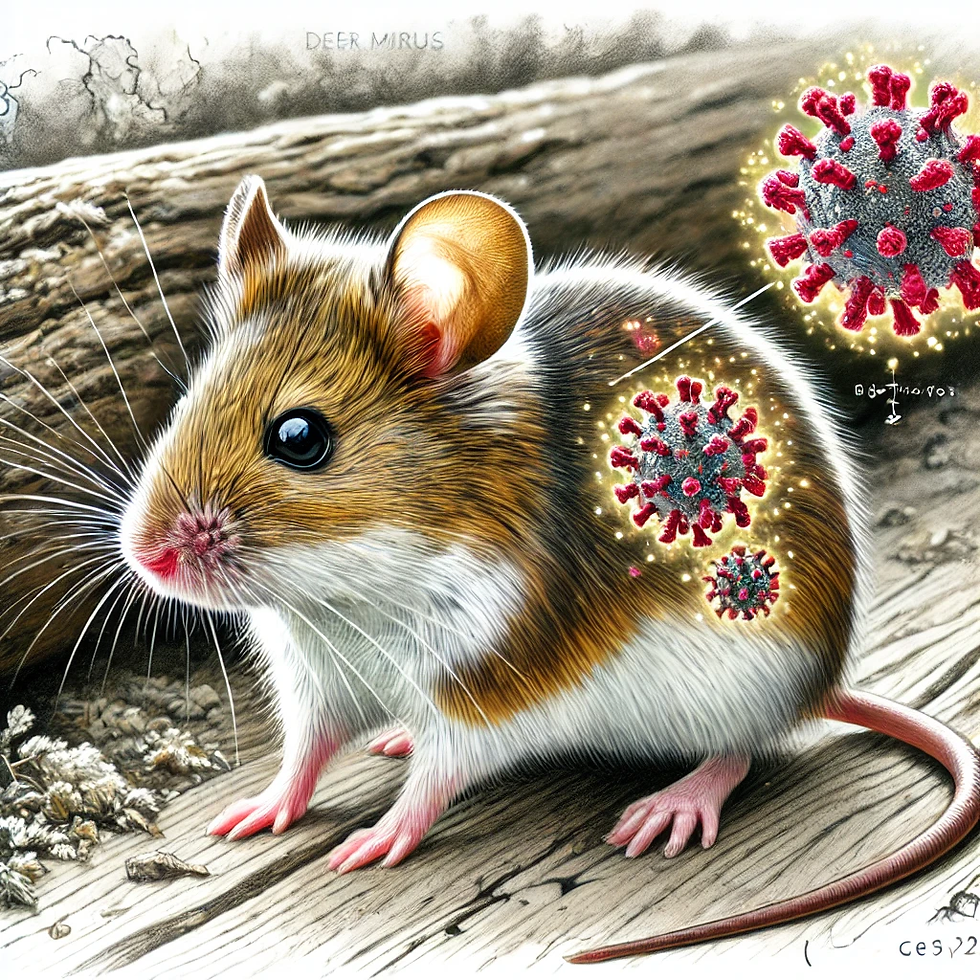
To understand what happened to Betsy, and why this virus still poses a threat, we have to go back to where it all began; with a small, brown mouse in the American West: Peromyscus maniculatus—the deer mouse, or as we more specifically refer to these cute little guys today, Peromyscus sonoriensis. These deer mice are common in forests, fields, and even barns, it carries a virus that remained invisible to science until the spring of 1993. That year, a series of mysterious and sudden deaths swept through the Four Corners region of the US—where New Mexico, Arizona, Colorado, and Utah meet—and marked the first time the US recognized hantavirus as a cause of human disease.
What I mean by that is the virus had been circulating quietly in the U.S. for decades—causing rare and unexplained deaths long before we had a name for it or even knew to look. But the Four Corners outbreak was the first time we recognized the disease and identified the virus behind it. After that outbreak, retrospective analysis of preserved tissue samples revealed that the earliest known case of hantavirus pulmonary syndrome (HPS) in the United States dated back to 1959, in a 38-year-old man from Utah. Additional sporadic cases identified in the years that followed were also reclassified as HPS upon further investigation.
So, the 1993 outbreak didn’t mark the virus’s arrival. It marked our awakening to it.
And that outbreak was terrifying. Sick patients, many of them young and otherwise healthy, arrived at ERs gasping for air. Some died within hours. And what investigators discovered in the weeks that followed would change our understanding of rodent-borne viruses in North America forever.
And that outbreak started with a single case that baffled doctors and alarmed public health officials.
The 1993 Four Corners Outbreak: A Turning Point in Emerging Disease Research
It was May 14, 1993, and a 19-year-old Navajo man—Merrill Bahe—healthy, athletic, and a competitive runner—was on a drive through the Four Corners region of the American Southwest when he suddenly became gravely short of breath. Alarmed, his family pulled into a service station and called for help. By the time emergency responders arrived, he had collapsed. At the Gallup Indian Medical Center, he was found to be in acute respiratory failure. His lungs were filled with fluid—pulmonary edema—and despite every effort, he died that day in the emergency room.
What baffled the medical staff was the sheer speed and severity of his illness. A previously healthy young adult—gone within hours. A few days earlier, he’d visited a clinic with fever and muscle aches, typical flu-like symptoms. But nothing suggested what would follow.
New Mexico is one of few states that requires all unexplained deaths to be reported to its centralized Office of the Medical Investigator—or OMI—in Albuquerque. That Friday, the call went out to Richard Malone, the OMI deputy based in Gallup. And he recognized something chilling. Just weeks earlier, another young Navajo woman had died—also of unexplained pulmonary edema—at the very same hospital. She, too, had been healthy. She, too, had shown only mild symptoms before deteriorating suddenly.
Malone had already sent that earlier case for autopsy. The results were inconclusive: the woman’s heart was normal, tests for infection were negative, and no clear cause could be found. But now, with a second eerily similar case in front of him, Malone suspected a pattern. He reached out again to pathologist Dr. Patricia McFeeley in Albuquerque, who agreed to examine the young man’s body.
Then came a twist that stopped Malone in his tracks.
The young man had been traveling that morning to attend the funeral of his fiancée—Florena Woody—a 21-year-old woman who had also died suddenly of respiratory symptoms, just days before. She, too, had complained only of fever and body aches and had deteriorated rapidly and died in a rural clinic, before she could be transferred for emergency care. Her death had never been reported to state officials.
Malone now faced three unexplained deaths—two of them in the same family. With the surviving infant child of the couple in mind, he persuaded the family to allow autopsies for both young adults. According to an article published at the time, the infant also came down with the disease and was hospitalized—but recovered. After the post-mortem exams of the adults, Malone contacted Dr. Bruce Tempest, medical director at the Gallup Indian Medical Center. Together, they began a search through local medical records and reports of similar cases.
What they found was disturbing: multiple young, previously healthy people in the Four Corners area had died over recent months with a mysterious and devastating respiratory illness. On May 17, they alerted the New Mexico Department of Health. A letter went out to clinicians in New Mexico, Arizona, Colorado, and Utah, asking for reports of similar deaths. More cases emerged.
Under pressure, on May 18th, New Mexico health officials contacted the Centers for Disease Control and Prevention (CDC) for help. By the end of May 1993, a team from the CDC’s Special Pathogens Branch was on the ground. Among them was epidemiologist Dr. Jay Butler, along with physicians from the Indian Health Service, faculty from the University of New Mexico School of Medicine, clinicians who had treated the patients, and specialists in infectious diseases and toxicology.
The field investigation was led by respiratory disease expert Dr. Robert Breiman, while laboratory efforts at the CDC’s headquarters in Atlanta were directed by Dr. CJ Peters, who headed the Special Pathogens Branch at the time and a decade later was my PhD advisor. He wasn't available for this episode but I remember conversations we had about it. What follows is a combination of my recollection about those conversations plus details from his book Virus Hunter and his 2014 autobiographical paper, Forty Years with Emerging Viruses
The team's first step was to define what they were dealing with. They reviewed any case since January 1, 1993, with unexplained bilateral infiltrates on chest imaging and hypoxemia, or any death from unexplained pulmonary edema. OK, so let's break that down. Unexplained bilateral infiltrates on chest imaging means abnormal chest X-ray or CT scan that shows cloudy or hazy areas in the lungs, indicating the presence of accumulated fluid, cells, or other materials. And associated hypoxemia means abnormally low levels of oxygen in the blood. So they would look at cases with fluid buildup in the lungs and abnormally low oxygen levels in the blood. As well as any death from unexplained fluid accumulation in the lungs. And by the way, these are still the criteria the WHO uses for identifying suspected HPS cases.
They found over 30 potential cases and worked through Memorial Day weekend, proposing three possible causes:
An unknown strain of influenza
An environmental toxin
A completely new infectious agent
Then the story broke in the press.
Public Perception and Misdirected Fear
On May 27, the Albuquerque Journal ran the headline: “Mystery Flu Kills 6 in Tribal Area.” The national media followed fast. The Native American connection became a media flash-point, igniting fear and discrimination. Panic set in. Navajo and Hopi families were stigmatized, excluded from community events, and made to feel unwelcome in public spaces. Some Navajo men and women reported being stared at, refused service, or treated as walking contagions. The stigma spread faster than the virus.
Within Native communities, that fear was matched by deep mistrust—rooted in history and reinforced by how the outbreak was unfolding. The sight of federal workers in protective gear sparked unsettling memories: stories—well documented in American history—of the U.S. military giving smallpox-infected blankets to Native tribes in the 18th and 19th centuries. So when the government showed up again, CDC scientists asking questions and collecting samples, some residents feared the worst.
That deep-rooted mistrust, however understandable, posed real challenges for the investigators. They needed full cooperation to trace exposures and spot patterns. But cooperation is hard to come by when people fear they’re being used or blamed. Still, scientists pressed on, piecing together early clues.
As epidemiologists searched for shared exposures or environmental clues to explain who got sick, public anxiety intensified and some speculated about a possible genetic susceptibility.
To his credit, C.J. didn’t think the connection of those afflicted as Native Americans was relevant. As he recalled later, what stood out wasn’t the victims’ identity—but their geography. They lived in rural areas where environmental changes—like a surge in rodent populations—may have led to breaches in the traditional separation between human dwellings and the natural world. In Navajo belief, mice are not inherently harmful, but illness can arise when their world mingles with ours.
Traditional Knowledge and the Mouse World
Not all sources of insight into the 1993 outbreak came from microscopes, cultures, or sequencing.
Dr. Ben Muneta, a physician and epidemiologist with the Indian Health Service who assisted with the early outbreak response, conducted interviews with Navajo elders and traditional medicine people. What he heard added a new dimension to the investigation—one rooted in centuries of cultural memory.
Muneta learned that according to Navajo oral tradition, mice are not just common animals; they are ancient figures of ecological and spiritual significance. The elders explained that mice helped spread seeds across the land after creation, shaping the very landscape humans now inhabit. In this cosmology, mice are regarded as landlords—keepers of the physical world—but they belong to the outdoor or night realm. Human dwellings, by contrast, are part of the indoor world, and the two should remain distinct.
As Muneta shared in community briefings, traditional belief held that when mice intrude into human spaces—especially homes—they can bring more than droppings or fur. They can carry illness. Clothes touched by mice were traditionally burned, not out of superstition, but out of protective caution against unseen danger. In hindsight, we know that Sin Nombre virus, like other hantaviruses, can be transmitted through aerosolized particles of rodent saliva, urine, or feces—exactly the route those old practices sought to prevent.
But these teachings weren’t always taken seriously by Western medicine. As one elder told Muneta, “We used to speak of these things. But after being ridiculed, we learned not to.”
In the wake of the outbreak, however, this Indigenous knowledge suddenly looked prescient. And it echoed what epidemiologists were starting to suspect: the virus likely spilled over from deer mice after a surge in rodent populations following a wet El Niño season.
Modern zoonotic science and traditional ecological knowledge converged at the same conclusion: when the natural order between humans and wildlife is disrupted, illness may follow. A familiar lesson, no?
OK, so, from his years of fieldwork, CJ thought the detail that those who'd become sick all lived in rural areas, mattered. He considered arenaviruses, my favorites, but the really high white cell counts in patients argued against arenaviruses. He could think of only one virus that regularly caused high white cell counts: hantaviruses. But they were found in Asia and Europe and had a much lower case fatality rate than what they were seeing here, plus those viruses attacked the kidneys not the lungs and caused bleeding. Still, he recalled saying to Jay Butler, "It's probably a toxin. But if it is one of our viruses, I would have to bet on a hantavirus.”
Discovery of Sin Nombre Virus
By June 4, CDC scientists had tested blood samples from nine patients against a panel of known viruses and got their answer. All nine reacted strongly to three different hantavirus strains—and none of the other viruses. Some investigators proposed that this was a novel hantavirus, with a new disease profile—causing pulmonary failure, not kidney damage.
The CDC quickly dispatched a rodent team. Over the following weeks, they trapped over 1,700 rodents in affected areas. The most common? Peromyscus maniculatus, subspecies sonoriensis.—the western deer mouse .
On June 10, scientists extracted genetic material from the virus using reverse transcription PCR and identified viral antigens in lung tissue from victims—strong evidence of infection. Just six days later, the same virus was found in deer mice collected from around patient homes.
The mystery pathogen had been discovered—and so had its animal reservoir.
Naming the Virus
This new hantavirus proved difficult to culture, but by November 1993, it was successfully grown in the lab. Initially, it was named Muerto Canyon virus, following the standard practice of naming viruses after nearby geographic features. But that name—translated as “Death Canyon”—sparked backlash, especially from the Navajo Nation. It was seen as culturally insensitive and traumatizing.
Proposed names were presented at community meetings in Albuquerque, where they met with considerable pushback. One Navajo colleague pointed out that calling it “Death Canyon virus” was inappropriate, especially when speaking to grieving families.
The dilemma was resolved when CDC researcher Pierre Rollin identified a nearby arroyo named “Sin Nombre”—Spanish for “No Name.” Neutral, poetic, and free of stigmatizing implications, it was ultimately adopted with minimal objection.
Sidebar: What’s in a Name?]
Naming a virus might sound like a minor administrative detail—but it can carry enormous social and political weight. Historically, many pathogens were named after the places where they were first discovered, the people who identified them, or even mythical figures. But these choices, especially geographic labels, have often caused real harm—stigmatizing communities, fueling prejudice, and even disrupting economies.
To address this, the World Health Organization issued naming guidelines in 2015. Their goal was to minimize unnecessary harm by discouraging names that refer to specific locations, people, or cultures. Instead, the guidance encourages names based on symptoms, severity, or scientific classification—neutral terms that inform, without wounding.
The naming of Sin Nombre virus offers a compelling example of this shift.
Even today, naming a new virus remains a complex and sometimes chaotic process. Competing agendas, social media pressure, and international politics can all shape what the world comes to call a disease. But if done thoughtfully, a name can do more than describe a virus—it can help prevent further harm.
Legacy
So, the 1993 Four Corners outbreak marked the discovery of the first New World hantavirus capable of causing human disease. The virus would become known as Sin Nombre and the syndrome it caused as Hantavirus Pulmonary Syndrome (HPS).
And the clinical picture was terrifying: young, otherwise healthy adults developed fever, rapid breathing, low blood pressure, and often severe fluid buildup in the lungs. Chest X-rays showed bilateral infiltrates, and autopsies revealed massive pulmonary edema. Lab tests showed low platelet counts, elevated hematocrit, and immune cells called immunoblasts circulating in the blood—unusual findings consistent with vascular leak. Over 75% of early patients died (case fatality rate has decreased over time due to advancements in medical care and earlier recognition of the disease).
The outbreak launched a new chapter in emerging infectious disease research and revealed how ecological change, human behavior, and social dynamics can combine to spark deadly epidemics.
Sin Nombre virus is still out there. Rare, but real. Its name may suggest anonymity, but to the families affected—and to the scientists who scrambled to understand it—it carries a legacy that is anything but forgettable.
So now let's talk about the ecology and epidemiology of this stealthy pathogen.
🌿 Ecology, Environment, and Emergence
OK, so hantaviruses are found all over the world, but they're split into two broad groups: Old World hantaviruses, which are mainly seen in Europe, Asia, and Africa, and New World hantaviruses, which are found in North and South America. Old World strains—like Hantaan virus and Puumala virus—typically cause a disease called Hemorrhagic Fever with Renal Syndrome (HFRS). Thanks to available vaccines and treatments in some at risk regions (more on that later), HFRS incidence and case fatality have decreased.
But it's a different story for New World hantaviruses.
Hantavirus in the Americas – Where and How It Strikes

Hantavirus Pulmonary Syndrome, or HPS, is the primary form of hantavirus disease in both North and South America. In the United States, cases have been reported as far east as Maine, but the majority—nearly 70%—have occurred in states west of the Mississippi River and are caused by SNV. Its distribution mirrors that of its primary host: Peromyscus sonoriensis, the western deer mouse. The paradigm has been that each hantavirus serotype is associated with a specific rodent reservoir and tends to be geographically limited to the range of that host species.
This connection between the virus and its rodent host is key to understanding its ecology and transmission. Geographically, deer mice are found across most of North America, with the exception of the Southeast, Alaska, and parts of northern Canada. That distribution helps explain the pattern of human cases, which overwhelmingly occur in rural settings. These environments offer the right conditions not just for deer mouse populations to thrive, but for humans to unknowingly come into contact with contaminated nesting materials, surfaces, or air.
As of 2022, there were 864 documented cases of HPS in the US, with the highest numbers found in New Mexico (122), Colorado (119), and Arizona (86). Utah, California, Washington, Texas, and Montana follow closely behind.
But, in the US, there are rodent species besides the western deer mouse that carry various HPS-causing hantaviruses in different parts of the country. Here's a brief overview of several major strains and where they’ve been detected:
Sin Nombre virus: Carried by the western deer mouse (Peromyscus sonoriensis), this is the leading cause of HPS in the United States and Canada.
New York virus: Linked to the white-footed mouse (Peromyscus leucopus), found primarily in the eastern U.S.
Monongahela virus: A strain of Sin Nombre associated with P. maniculatus nubiterrae, also in the eastern U.S.
Bayou virus: Transmitted by the marsh rice rat (Oryzomys palustris), common in the southeastern United States.
Black Creek Canal virus: Found in Florida and associated with the cotton rat (Sigmodon hispidus).
Laguna Negra virus: First isolated in Paraguay and Bolivia, carried by Calomys laucha—it was one of the first hantaviruses identified in South America.
Andes virus: Found in Argentina, Chile, and Uruguay, carried by Oligoryzomys longicaudatus.
Oran virus: Identified in northern Argentina and associated with cane fields, carried by Oligoryzomys longicaudatus in that region.
Choclo virus: Linked to Oligoryzomys fulvescens and detected in Panama.
Rio Mamore virus: Found in Peru, carried by the spiny mouse (Neacomys spinosus).
Lechiguanas virus: Detected in Argentina, associated with Oligoryzomys flavescens.
When it comes to exposure to infectious rodents, seasonal patterns also matter. Most cases occur in the spring, when rodent activity increases and humans are more likely to clean or occupy infested spaces. But researchers have observed more nuanced dynamics as well. In regions like Colorado and Montana, for instance, male deer mice are more likely to carry SNV, and infection rates often spike in late summer and mid-winter—coinciding with breeding seasons and heightened rodent interactions.
Not all rodents, however, play an equal role in SNV transmission. While deer mice are highly efficient reservoirs, others—like the desert woodrat (Neotoma lepida)—can become infected but do not appear to transmit the virus effectively. These are considered dead-end hosts: animals that can harbor the virus but aren’t likely to pass it on.
Environmental and ecological factors also play a significant role in shaping SNV dynamics. Human encroachment into wild areas, shifting land use patterns, and even climate change can influence where and how often people come into contact with infected rodents. The 1993 outbreak, for example, may have been partially driven by unusually high rainfall in the Southwest the year before, which produced a bumper crop of vegetation—more food, more mice, and ultimately more opportunities for human exposure.
More recently, in 2012, an outbreak in Yosemite National Park resulted in three deaths among tourists. And in 2021, Michigan reported its first ever human case of SNV—demonstrating that the virus can emerge far from its historical hotspots. Even seemingly mundane activities, like retrieving tools from a barn or assisting with animal births, can increase exposure risks in rural communities.
Why 1993? Why the Four Corners?
Biologists at the University of New Mexico found the answer. That year, after a wet El Niño winter, the region experienced a boom in vegetation, which led to a tenfold increase in deer mouse populations. More mice meant more rodent droppings in and around human dwellings—raising the risk that people would inhale aerosolized viral particles.
The right environmental conditions aligned—and a previously unknown virus made the leap into the human world.
But was that the whole story?
At the time, CJ warned against settling on that conclusion without more information. “We can’t just say, ‘Gee, there was lots of rain and there were more rodents than usual, so we just noticed it this year,’” he cautioned in an interview, "That would be a disservice—not just to science, but to public health."
What he meant was that they also needed to consider that maybe the virus had changed. Maybe it had mutated in a way that made it easier to spread between mice—or to jump from mice to humans. Or perhaps it had crossed into a different rodent species altogether—one that lived closer to human settlements.
Historically, that kind of species-jump was thought to be rare. Hantaviruses were believed to follow a “one rodent, one virus” pattern, like arenaviruses: each virus co-evolved with a single host species. But assuming that couldn't change would be a mistake. If hantaviruses could shift hosts more easily than we think, they could move into species that bring them into more frequent contact with humans.
And that’s why CJ had been cautious. Peromyscus sonoriensis, the western deer mouse—the primary host of Sin Nombre virus—is found primarily west of the Mississippi river. If the virus adapted to transmit more efficiently, or if it had spilled into other species, the Four Corners outbreak wouldn't stay contained.
And he may have been onto something.
A study published this year looked at over 1,500 small mammals captured across New Mexico between 2019 and 2023 to understand how Sin Nombre virus—or SNV—circulates in the wild.
They found that about 27% of the animals tested positive for SNV RNA, with Peromyscus sonoriensis, the Western deer mouse, accounting for most infections. But that wasn’t the only surprise. Several other species—including Onychomys leucogaster, Peromyscus truei, and even pocket gophers and kangaroo rats—also tested positive. And importantly, live virus was isolated not just from lung tissue, but also from feces and saliva, confirming that multiple species may shed and spread SNV.
They even found infected animals in counties with no reported human HPS cases, suggesting we may be underestimating risk in some regions.
At a known exposure site, infection rates stayed high over four years, reinforcing that SNV can persist in rodent populations over time.
So what does all this mean?
Three key takeaways:
SNV is circulating even where human cases haven’t been reported.
Several rodent species—not just deer mice—can carry and shed live, potentially infectious virus.
The virus persists long-term at exposure sites, maintaining a constant risk of spillover.
But here’s the deeper issue: we don’t know whether these other species were always capable of shedding live virus—or if something has changed in the virus, or in the environment, to make them effective carriers now. It challenges the older idea that each virus has one true reservoir host. Maybe it’s not about one species being uniquely suited—but about which species thrives in a given place. Remove one, and another might take its place.
All of this makes a strong case for ongoing surveillance and molecular testing. Because with ecological change and human expansion, the conditions for spillover are only increasing. And as we’ve seen—not just with SNV but with other pathogens—viruses we think we know can still surprise us.
Let’s talk about how Sin Nombre virus, or SNV, actually spreads—starting in rodents, and ending, sometimes tragically, in us.
In the wild, SNV circulates among rodent populations as a persistent infection. That means the animals don’t get visibly sick, but they continue to carry and shed the virus for extended periods. Studies in Syrian hamsters, which serve as models for human infection, have shown that while SNV doesn’t appear much in the bloodstream, it concentrates in key tissues—especially the lungs, kidneys, heart, and even brown fat. The lungs are a major site of viral replication, making them central to long-term infection.
Rodents transmit SNV to each other not through the air, but through direct contact with bodily fluids—during fighting, grooming, or mating. These behaviors are common in wild mice and help explain how the virus remains in circulation without killing its host.
But the way SNV reaches humans is different—and critical to understand.
Most human infections happen through indirect exposure to aerosolized particles from rodent droppings, urine, or saliva. When these materials dry out in enclosed spaces—like sheds, cabins, garages, or barns—and the area is disturbed (say, by sweeping or cleaning), virus particles can become airborne. Inhaling that dust is the most common route of infection.
Although less common, rodent bites can also transmit the virus, since SNV has been detected in saliva. But importantly, there’s no evidence of SNV spreading from person to person—which means prevention is all about avoiding contact with rodent-contaminated environments.
The riskiest spaces are those that are closed up and poorly ventilated, especially if they haven’t been cleaned in a while. Ironically, it’s often the act of cleaning itself—dry sweeping or vacuuming—that stirs the virus into the air.
That’s why the CDC recommends wet cleaning methods, like bleach solutions, and ventilating spaces before entering. If you’re opening a cabin or trailer after it’s been sealed for a season, that’s the moment of highest risk.
As for how people actually get exposed:
About half of all U.S. cases come from residential exposure—in and around the home.
Workplaces account for around 10%, and
Another 5% are tied to recreational activities like hiking or camping. The rest involve mixed or uncertain sources.
The bottom line? SNV exposure is shaped by environment, behavior, and geography. Knowing how the virus circulates—and taking practical steps to avoid contact—can make all the difference in preventing infection, especially in areas where deer mice are common.
Sidebar: Is SNV Airborne?
Let’s take a quick moment to clear something up—because the word “airborne” gets used a lot, and not always correctly.
An airborne disease is caused by pathogens—bacteria, viruses, or fungi—transmitted through aerosolized particles. More often than not, we refer to these infectious particles as they relate to person-to person transmission but that is not required for a pathogen to be classified as airborne. Infectious airborne particles are typically released through coughing, sneezing, speaking, or disturbing contaminated materials like dust, waste, or rodent droppings. When these things happen, it generates aerosolized particles in a spectrum of sizes. Depending on the size of the aerosolized particle, once airborne, they can stay suspended in the air and travel varying distances, infecting people who inhale them.
Key points:
Not all airborne diseases spread equally: Some (like measles or tuberculosis) are highly infectious, while others (like hantavirus) require specific exposure conditions.
Airborne ≠ Person-to-person by breath: For example, Sin Nombre virus spreads via aerosolized deer mouse excreta—not from human to human.
Medical procedures like intubation or bronchoscopy can also generate aerosols, increasing risk.
Environmental factors—humidity, airflow, crowding, sunlight, and sanitation—strongly influence airborne transmission dynamics.
Whether or not a virus is airborne depends on a couple of important things that highlight why aerosol physicists and virologists can't ignore each other here. With regard to infectious organisms carried on aerosolized particles, it doesn't matter how far physics says that aerosolized particle can travel or stay afloat. What matters is how far and long it can travel while remaining infectious and that depends on the individual pathogen and the circumstances of the aerosol generating event.
Understanding the mechanics of airborne transmission helps demystify why certain infections demand heightened precautions—and how small particles can carry outsized risks.
So, with regard to Sin Nombre, it is considered airborne because people can breathe in infectious particles after an aerosol generating event like sweeping or otherwise disturbing a mouse nest, dried urine, or droppings. But it's not person-to-person transmission through aerosols from a person's lungs generated by coughing or breathing as is the case with diseases like measles or COVID-19. The type of airborne transmission we see with SNV, requiring specific environmental exposure conditions, is also sometimes called aerosolized environmental transmission—you’re inhaling tiny particles from the environment, not from another person’s breath. But it is, technically considered airborne.
I hope this helps you discern between person-to-person highly contagious virus airborne transmission and the environmental airborne transmission of hantaviruses.
Now back to the episode.
Can Hantavirus Spread Between People?
OK, as I said, there's no evidence of human-to-human transmission of SNV. But there’s a persistent question in hantavirus research that carries both scientific weight and public health consequences: Can other hantaviruses spread from one person to another?
The vast majority of hantavirus infections—particularly those in the U.S. and Canada—are what scientists call zoonotic. That means they originate in animals—in this case, infected rodents—and spill over to humans through contact with rodent urine, feces, or saliva, often in aerosolized form. That’s been the dominant pattern since hantavirus was first identified in North America during the 1993 Four Corners outbreak.
But in 1996, something unexpected happened in southern Argentina. A series of cases involving Andes virus—the hantavirus strain found in that region—suggested the virus may have spread between people. Some patients were household contacts of known cases, and a few had no clear exposure to rodents. Could hantavirus really be contagious?
To find out, a team of researchers conducted a large-scale systematic review, combing through decades of studies from across the Americas, Europe, and Asia. They screened over 1,300 studies and ultimately included 22 that directly addressed the possibility of human-to-human transmission.
The conclusion? It’s complicated.
Of all the hantavirus strains studied, only Andes virus (ANDV)—found in parts of Argentina and Chile—showed any credible signs of spreading between people. Even then, the evidence is limited.
And with that, Heather debuted her newest segment:

Infectious Verse: Where the science gets lyrical, and the facts get flow
An Andes Outlier by H McSharry
In the forests of Chile and Argentina’s plains,
Lurks a virus with curious claims.
While hantaviruses tend to stay
With rodents then drift human way
One strain’s behavior breaks the mold,
A mystery in the Andes cold.
Andes virus, or ANDV for short,
Raised whispers in the lab report:
Could this one spread from me to you,
Not just from mice (as most strains do)?
A few small outbreaks seemed to show
That person-to-person spread might go.
Some lovers fell ill, both close in time—
Could it be romance, not rodent grime?
Could they have touched the same old shed?
Where rodent droppings freely spread?
Or breathed the same contaminated air—
And never noticed it was there?
In solid trials with contact traced,
From doctors’ wards to home-based space,
The virus rarely passed along—
Even when contact was prolonged.
So yes, a case or two might show
That ANDV can, on rare winds, go
The bottom line? Be on alert,
But don’t assume you’ll get hurt
By being near someone who’s sick—
It’s rodents still who play the trick.
Thank you, thank you. I'm here all week.
My poem should have cleared it up for you, but in case you aren't sure, I'll recap.
When the authors took a step back and looked at the totality of evidence, they found no convincing support for human-to-human transmission outside of Andes virus, and even then, only in limited circumstances. Studies on Sin Nombre virus—the strain responsible for nearly all U.S. cases—have consistently shown no evidence of person-to-person spread.
That’s not just reassuring. It’s a vital piece of public health knowledge. It means that for most hantavirus strains, infection control doesn’t require isolating patients or fearing casual contact. Instead, prevention remains squarely focused on rodent exposure.
Still, given the high mortality of hantavirus pulmonary syndrome—sometimes as high as 30 to 40 percent—we should follow a precautionary approach. In regions where Andes virus is endemic, that might mean using protective equipment in clinical settings and further studying unusual transmission clusters.
But for now, the science is clear: hantaviruses are overwhelmingly rodent-borne, not person-borne. That makes them different from viruses like influenza, SARS-CoV-2, or even Ebola—and also shapes how we respond when a case is identified.
Now let's dig into the details about this virus.
Inside the Virus — The Biology of Sin Nombre Virus
To really understand why Sin Nombre virus is so dangerous—and so fascinating—we need to look the virus itself. SNV belongs to the Hantaviridae family, and we need a mini sidebar on that cuz this has changed recently.
Sidebar: What’s in a Name?
Hantavirus naming has changed—big time.
What used to be one genus in one family is now its own family, Hantaviridae, with 4 subfamilies and 8 genera, all sorted by genetic relationships—not just which animals they infect.
So, Sin Nombre virus? It’s now in the genus Orthohantavirus. Bat viruses? They’re in Loanvirus or Mobatvirus. And yes—there are even hantaviruses from fish and reptiles, with names like Agnathovirus and Reptillovirus.
Some older names got updated, too. New York virus? Now a variant of Sin Nombre. Amga virus? Merged into Seewis orthohantavirus.
Bottom line: “Hantavirus” is no longer one virus—it’s a whole family tree. And the new names reflect how they’re really related, down to the genome.
Alright—sidebar complete. Now that you’ve got a handle on hantavirus nomenclature, let’s get back to the episode.
Inside the Sin Nombre Virus
Like its hantavirus relatives, Sin Nombre virus—SNV—has a negative-sense single-stranded RNA genome, or -ssRNA. This means the viral RNA sequence is complementary to the mRNA that the virus needs to produce proteins. This type of genome requires a special RNA polymerase, encoded by the virus itself, to convert the negative-sense RNA into a positive-sense mRNA, which can then be translated by the host cell.
OK, under the microscope, SNV particles are spherical or pleomorphic—meaning they can vary in shape. Each virion is wrapped in a lipid envelope studded with spike-like projections. These spikes are made of two viral glycoproteins, Gn and Gc, which are critical for recognizing and entering human cells.
SNV’s genome is divided into three RNA segments:
The S segment encodes the nucleocapsid protein, which packages the viral RNA.
The M segment encodes a glycoprotein precursor, later processed into the surface proteins Gn and Gc.
The L segment encodes the RNA-dependent RNA polymerase (L protein), which replicates the genome.
These components form a helical, highly regulated structure. And remarkably, viral genomes from the 1993 outbreak showed just 16 nucleotide differences between a deer mouse and a human case—none of which altered protein sequences. That suggests SNV is unusually stable for an RNA virus and has been quietly co-evolving with deer mice for a long time.
So how does it infect human cells?
SNV targets endothelial cells, my favorites, which line blood vessels. It binds to β3-integrin receptors using its glycoproteins, triggering entry through endocytosis. Endocytosis is a way your cells "swallow" things from the outside world.
When it needs to bring something inside—like nutrients, signals, or even viruses—it pushes its outer membrane around the material, forming a little pocket. It then pulls that pocket inside and it pinches off, becoming a bubble inside the cell called a vesicle.
This is how cells take in important substances—and sometimes, it’s also how viruses trick their way in. Inside the vesicle, increasing acidity causes the Gc protein to shift shape, fusing the virus with the vesicle membrane and releasing the genome into the inside of the cell.
SNV is a clever hijacker. To make copies of itself inside our cells, it needs to send out genetic instructions—but it doesn’t start from scratch.
Instead, it uses a trick called cap-snatching. Think of the "cap" as the official stamp or envelope that our cells put on their mRNAs so they can be read properly to make proteins. SNV steals these caps from the cell’s own messages and sticks them onto its own. That way, the cell’s machinery is fooled into reading the virus’s instructions as if they were its own.
Most of SNV’s messages also don’t have another feature called a poly(A) tail, which normally helps messages stay stable. But one important viral mRNA—the one that makes the outer proteins—does have this tail, which may help it get made more efficiently.
For the other messages, the virus likely uses special folded structures in its genetic material—like punctuation marks—to tell the cell when to stop reading.
In short, SNV rewires the cell’s communication system by borrowing parts, disguising itself, and sneaking its own instructions into the queue.
Converting the virus RNA genome into messenger RNA so the cell can make the viral proteins begins in stages:
The nucleocapsid (N) gene is active by 4 hours post-infection,
Glycoprotein (GPC) mRNA appears around 32 hours,
And the L protein shows up by 48 hours.
Once all the virus proteins are made they assemble into virus particles. When those new virus particles—called virions—are ready to leave the cell, SNV does something a bit different from some of its relatives: it buds off from the outer surface of the cell, known as the plasma membrane. Some other hantaviruses use internal structures, like the Golgi apparatus, but SNV heads straight for the edge of the cell.
Inside the cell, SNV also creates clusters of virus-building machinery, known as inclusion bodies. These are like little virus factories packed into the cell’s interior.
As for the virus itself, each SNV particle is about 112 nanometers wide—that’s thousands of times smaller than a grain of sand. and some are round, while others are tube-like.
What gives SNV its unique look? The surface Gn protein forms the stalk of the spikes, and Gc forms the head, and together they snap into place like Lego pieces, forming a spiky outer coat. These spikes help the virus stick to and enter human cells, and they may also influence the virus’s shape.
Most of what we know about SNV’s structure comes from similar viruses—like Tula and Hantaan virus—but these details are crucial. They help researchers design treatments and vaccines that target the virus’s weak spots.
One of the reasons Sin Nombre virus (SNV) is so dangerous is that it doesn’t just infect—it evades. Like many viruses, SNV has developed sophisticated strategies to avoid early detection by the body’s innate immune system, which is our first line of defense against infection.
Let’s break this down.
As the virus begins to replicate inside human cells, it produces a protein called the glycoprotein precursor, or GPC. This protein is processed by the host cell’s own machinery—in particular, inside the endoplasmic reticulum, where it's cleaved into two fragments I mentioned: Gn and Gc. These two fragments eventually become the spikes on the virus surface, which are essential for cell entry. But that’s not all they do.
In related viruses like New York-1 virus, scientists have discovered that the cytoplasmic tail of the Gn protein can actually interfere with the body’s immune response. It does this by blocking the interaction between two critical components of the antiviral signaling pathway: TBK1 and TRAF3. These two proteins are essential for activating a response to viral RNA—specifically, for producing type I interferons, which are powerful molecules that help shut down viral replication and alert the rest of the immune system.
By interfering with this pathway, the virus essentially buys itself time. It delays the immune response just long enough to replicate and spread before the host knows what hit it.
But it’s not a perfect system. SNV’s Gn protein doesn’t just linger—it also gets degraded by the host cell’s own autophagy machinery, a kind of cellular recycling system. This degradation might limit how long the virus can suppress the immune response. In fact, this self-destruction of the Gn protein might be what eventually allows the body to ramp up interferon production and fight back—though often too late to prevent severe illness.
In short, SNV walks a fine line between stealth and exposure. It uses our own cellular systems to stay hidden just long enough to take hold—and that’s part of what makes it so lethal.
What Hantavirus Pulmonary Syndrome Looks Like in the Body

All right, as we now know, when SNV infects a person, it can lead to the life-threatening Hantavirus Pulmonary Syndrome, or HPS—a disease that progresses rapidly and requires urgent medical attention.
Let’s walk through what this disease looks like in the body.
After exposure—typically by inhaling particles from infected deer mouse urine, feces, or saliva—the incubation period for SNV ranges anywhere from 1 to 8 weeks. That’s a crazy long time for a virus to stay under the radar, and during this silent period, the infected person may feel completely normal.
The virus has a remarkable predilection for pulmonary capillary endothelial cells and a complex and still poorly understood pathogenesis. After incubation there is a 3–6-day prodromal period during which flu-like symptoms appear, though respiratory symptoms are notably absent. It’s where most patients first realize something is wrong. The symptoms can include:
Fever
Muscle aches (myalgia)
Headaches
Chills
Nausea and vomiting
Dizziness
These symptoms last for about five days, on average, before the disease takes a sharp and dangerous turn though in many patients, HPS enters a critical fulminant cardiopulmonary phase within just 24 to 48 hours signaled by development of a cough. This is when the virus attacks the lining of blood vessels in the lungs, causing pulmonary edema—fluid leaking into the air spaces where gas exchange happens. At this point, symptoms escalate dramatically:
Shortness of breath (hypoxemia)
Rapid heart rate (tachycardia)
Low blood pressure (hypotension)
Acute respiratory failure
The current mortality rate during the cardiopulmonary phase is ≈40%. During the recovery phase, which can last up to two weeks, survivors start to reabsorb excess fluid that had leaked into tissues and body cavities. Their kidneys then work to remove this fluid, often leading to increased urination.
In the 1993 Four Corners outbreak, patients went from flu symptoms to complete respiratory collapse in just a few days. On average, death occurred eight days after the first symptoms appeared. The case fatality rate during that outbreak was a staggering 76%.
What’s important to know is that early hospitalization makes a difference. Although the duration of symptoms before hospital admission didn’t correlate perfectly with outcomes, patients who did not show hypotension—meaning their blood pressure remained stable—were much more likely to survive. On the other hand, those with severely low blood pressure (systolic ≤ 85 mmHg) were at much higher risk of death.
One clinical clue that helps distinguish HPS from other forms of viral pneumonia is the presence of gastrointestinal symptoms—nausea, vomiting, and abdominal discomfort—alongside severe respiratory failure. Another is the non-cardiogenic nature of the pulmonary edema, which means the fluid buildup in the lungs isn’t due to heart failure, but to direct injury of the blood vessels.
As I said earlier, as of the end of 2022, 864 HPS have been confirmed in the US, most of them linked to SNV. While the disease still has a high mortality rate—around 38% overall, not every infection ends in tragedy. Some individuals experience mild or even asymptomatic infections, though these are less common.
For survivors, recovery can take time. Some people report lingering fatigue, muscle pain, or shortness of breath. Follow-up studies have shown that even after the virus is cleared, some survivors have lasting changes in lung function—like reduced airflow in small airways, increased air trapping, and lower capacity for oxygen exchange. Whether these effects are due to the virus itself, the body’s own hyperactive immune response, or intensive treatments received in the hospital is still being studied.
But the takeaway is this: recognizing the early signs and getting prompt care can save lives. HPS is rare, but it is fast-moving, severe, and very real.
So far, we’ve talked about how Sin Nombre virus spreads and the devastating disease it can cause—Hantavirus Pulmonary Syndrome (HPS). But how do doctors diagnose the infection, and what treatments are available once someone gets sick?
Let’s start with diagnosis.
How SNV Infections Are Diagnosed
Diagnosing HPS—especially in its early stages—is a real challenge. That’s partly because the early symptoms look a lot like the flu. But fortunately, we do have specific tests that can confirm a Sin Nombre virus infection.
According to the CDC, HPS can be diagnosed when a patient has:
Symptoms that match HPS,
A known risk of exposure (like time spent in rodent-infested areas), and
A positive lab result—either from serology, histology, or molecular testing.
The most common method is a serological test using ELISA (enzyme-linked immunosorbent assay). This test detects IgM antibodies produced early in infection, as well as IgG antibodies that appear later and can persist for years. In fact, a fourfold rise in IgG levels—paired with IgM in the early (acute) phase—is considered diagnostic for hantavirus disease.
For tissue samples—especially in postmortem diagnosis—immunohistochemistry can reveal viral antigens in formalin-fixed tissues, using specialized antibodies. And in some cases, RT-PCR testing is used to detect viral RNA in blood or tissue, which is highly specific and useful in confirming active infection.
Subclinical or “silent” infections are rare—most people exposed to SNV develop symptoms, and those symptoms often escalate quickly.
When it comes to treatment, the truth is: there is no cure—at least not yet.
The most effective approach is early supportive care in an intensive care unit. This includes:
Supplemental oxygen for patients with low oxygen levels,
Careful fluid management to prevent pulmonary edema,
And in severe cases, mechanical ventilation to support breathing.
But once the infection progresses into the cardiopulmonary phase, options become limited. That’s why early detection and hospitalization are so critical.
Several experimental treatments have been tested in animals and cell models, but most haven’t yet proven effective in humans. For example:
Ribavirin, an antiviral that works against other RNA viruses, showed some promise in deer mouse and hamster models—especially when combined with antibodies from recovered patients. But in real-world human cases, including during the 1993 Four Corners outbreak, ribavirin did not significantly improve survival, and the CDC does not currently recommend it.
Favipiravir, a newer antiviral, reduced SNV viral load in hamster models and protected against death in infections caused by Andes virus, a close relative of SNV. But, like ribavirin, it seems to be ineffective once viremia has begun—which limits its use in clinical settings.
Vandetanib, a drug that targets blood vessel permeability, was explored as a way to reduce the lung fluid buildup seen in HPS. It helped delay death in animal models, but again, it’s not approved or widely used.
Steroids like methylprednisolone were tested to calm the immune system, but clinical trials—like one conducted in Chile—showed no significant benefit.
What Recovery Looks Like
Even with intensive care, hantavirus pulmonary syndrome remains a serious and often deadly illness. Roughly one in three patients dies within the first 48 hours of hospital admission—typically during the acute cardiopulmonary phase, when respiratory failure sets in. But outcomes can vary widely depending on how early the illness is recognized and how it’s managed.
One important factor in survival is fluid management. When patients receive carefully controlled fluid therapy—along with close monitoring in the ICU—nearly half of them can avoid the need for mechanical ventilation. For those who do require intubation, the critical window is usually the first few days. If a patient starts improving during that period, there's a good chance they can be extubated by the end of the first week.
The long-term outlook is generally favorable for survivors. Most make a full recovery, although some may experience lingering symptoms such as shortness of breath, fatigue, or muscle aches. These are usually temporary and subjective, rather than signs of lasting organ damage.
Interestingly, research suggests that the strength of a person’s immune response plays a role in survival. Patients with higher levels of antibodies targeting the virus—specifically those that neutralize viral nucleocapsid proteins—are more likely to survive. That’s given scientists valuable insight not only into prognosis, but also into potential targets for vaccines and therapeutics.
In short: early recognition, supportive care, and the patient’s own immune system are all critical factors in determining who survives—and who doesn’t.
More promising than antivirals are the growing efforts in immunotherapy.
Both monoclonal and polyclonal antibodies, developed from survivors of SNV and Andes virus infections, have shown strong protective effects in animal models. These antibodies work by neutralizing the virus directly, and researchers are currently working to map the critical glycoprotein structures that could be targeted for vaccines or therapeutics.
When it comes to orthohantaviruses like Sin Nombre, there’s still no licensed vaccine in the United States. But globally, the race to prevent hantavirus infections has been in motion for decades—starting with inactivated vaccines.
In South Korea, the first licensed vaccine—Hantavax—was introduced in the late 1980s to protect soldiers and rural residents from Hantaan virus, a major cause of Hemorrhagic Fever with Renal Syndrome, or HFRS. Hantavax uses virus particles that have been chemically inactivated so they can’t replicate but still trigger an immune response. After rollout, case numbers in the South Korean military dropped significantly. But over time, concerns emerged: the vaccine showed only modest protection, especially in real-world conditions. To improve efficacy, the schedule was expanded to four doses, and a booster was added to strengthen immunity. A major clinical trial showed good antibody responses, but debates around cost-effectiveness and long-term protection persist.
China followed with its own inactivated vaccines, including a bivalent version targeting both Hantaan and Seoul viruses. Since incorporating it into the national immunization program in 2003, China has seen a substantial drop in HFRS cases, with annual cases falling below 10,000. Four inactivated vaccines are currently in use there—most derived from rodent cell lines—and they’ve shown promising immune responses in animal studies.
Russia, where Puumala virus causes most HFRS cases, is still in the preclinical phase of developing a polyvalent vaccine. Researchers there are exploring improved adjuvants—substances added to vaccines to boost immune response—such as bacterial toxins and plant-based particles, which seem to significantly enhance antibody production in animal models.
Beyond inactivated vaccines, new technologies are pushing the field forward:
Viral vector vaccines, such as those using adenovirus or vesicular stomatitis virus (VSV) backbones, have shown promise in animal models—especially against Andes virus. These vectors can stimulate both antibody and T-cell responses, but as I mention emphatically in my episode on other covid vaccine platforms, concerns remain about safety in immunocompromised individuals and pre-existing immunity to the vector itself.
Virus-like particles (VLPs) mimic the structure of viruses but carry no genetic material, making them safer. Chimeric VLPs using pieces of hantavirus proteins have triggered strong immune responses in mice and are being studied as a next-generation vaccine platform.
Subunit vaccines focus on isolated viral proteins, such as glycoproteins or nucleocapsid proteins. These are typically safer but may require adjuvants or multiple doses to be fully effective.
And then there’s nucleic acid vaccines, particularly DNA vaccines. Several have reached clinical trials and have shown cross-protection between different hantavirus species in animal models. A recent DNA vaccine against Sin Nombre virus successfully generated high levels of neutralizing antibodies in preclinical studies. Interestingly, these vaccines seem to work best when targeted to specific hantavirus species: vaccines for HFRS don’t always protect against viruses that cause HPS, and vice versa.
Research into RNA vaccines—similar to those used for COVID-19—is also underway, with early data showing strong immune responses and cross-protective effects in rodents.
Still, challenges remain. Because hantavirus infections are rare and often geographically limited, large-scale vaccine trials are difficult to conduct. Regulatory approval will likely depend on identifying reliable immune markers—known as surrogate endpoints—that can stand in for traditional clinical outcomes.
Rodent vaccines to reduce viral loads in reservoirs are also being investigated. In fact, a bait-style vaccine using the VSV platform was developed for deer mice, the natural reservoir for SNV.
In that study, wild deer mice were immunized using vaccine-laced bait. The results showed a reduction in viral RNA in the mice’s blood and lungs, and importantly, a drop in virus transmission. In other words, scientists may one day be able to immunize the rodents themselves to reduce the spread of hantaviruses in the wild—similar to how oral rabies vaccines are distributed for wild animals like raccoons and foxes.
While these strategies are still in the research phase, they point toward a future where we can both protect humans directly and disrupt viral reservoirs in nature.
So, no—there’s no vaccine yet. But the science is moving forward, well yeah it is, but everywhere but the US, now with the current anti-science admin. But with the right investment and global health interest by other countries, a safe and effective vaccine for SNV and other hantaviruses could become a reality.

So how do we prevent HPS?
Like all viral illnesses, and despite what the antivax idiot in charge of HHS says, when it comes to HPS, the most important strategy isn’t treatment—it’s prevention.
According to the CDC the key to preventing HPS is simple: avoid contact with rodents and their droppings, especially in areas where Sin Nombre virus is known to circulate.
NOTE: At the time of this recording the CDC has accurate information at the link above on hantaviruses. But in case they replace real information with RFKs antivax bullshit, I've added the accurate CDC PDF right here for you:
OK, so avoiding contact with rodents and their droppings means:
Sealing up homes and outbuildings—Make sure rodents can’t get in. Use steel wool or caulk to seal cracks and gaps, especially around doors, windows, pipes, and vents.
Keeping spaces clean and rodent-free—Store food in sealed containers, clean up crumbs or spills promptly, and don’t leave pet food out overnight.
Removing rodent attractants—Clear away brush, woodpiles, and clutter near buildings. These are prime nesting spots for deer mice.
Using traps—If you see signs of rodents—like droppings, gnaw marks, or nesting material—set snap traps to reduce populations.
Taking precautions during cleanup—If you need to clean out a shed, cabin, or storage space that may have rodent activity, don’t sweep or vacuum dry droppings, which can aerosolize the virus. Instead:
Air out the space for at least 30 minutes.
Wear a mask! Spray droppings with a disinfectant or bleach solution and let it sit for several minutes.
Use gloves and paper towels to carefully remove the material.
Dispose of it in sealed bags, and wash your hands thoroughly afterward.
And if you’re camping or hiking in rural areas, be especially cautious. Keep food sealed, don’t sleep directly on the ground, and avoid rodent-infested shelters or areas with visible droppings.
It’s worth remembering: there’s no vaccine, and no cure for HPS once it progresses. But with vigilance and smart prevention, this deadly virus can be avoided.
Because people often have questions about this, let's get into the likelihood of hantaviruses being used as a bioweapon. When we think about biological threats, we tend to imagine viruses like smallpox, anthrax, or Ebola—pathogens with a history in warfare or the potential for rapid, devastating spread. But tucked into the lower tiers of official biodefense threat lists sits an often-overlooked contender: the hantaviruses that cause HPS, including Sin Nombre virus.
In the US, these viruses are currently classified as Category C biothreat agents by the CDC. That means they’re considered emerging pathogens with the potential for future weaponization—but not yet high-priority threats like anthrax or botulinum toxin. Part of the reason is practical: unlike those agents, New World hantaviruses are extremely difficult to cultivate, isolate, and weaponize. In fact, growing Sin Nombre virus in the lab typically requires infecting deer mice—its natural reservoir—followed by painstaking cell culture work. And even then, the virus often weakens in the lab.
But complexity isn’t immunity. With new advances in synthetic biology, gene editing, and viral vector engineering, it’s becoming easier to manipulate pathogens that were once considered too fragile or slow to be useful. That’s why researchers have warned that hantaviruses deserve more attention in biodefense circles. Now there is often more focus on Andes virus when this comes up, because of the crappy studies claiming it can be transmitted from person to person, but we know that's not actually relevant, don't we. Refer back to my poem if you're unsure.
OK, so in terms of bioweapon feasibility, there are real-world barriers with hantaviruses but a 2020 study discusses the possibilities. Now, the virus doesn’t spread easily in open environments, and sunlight degrades it quickly. But imagine a different setting: a warehouse, military base, or shipping container, where infected rodents could be released to quietly aerosolize the virus indoors. Or consider the use of aerosolized viral particles in enclosed spaces—such as bunkers, tunnels, or transportation hubs.
In military contexts, this kind of pathogen could function as an area denial weapon—slowing down troop movements by forcing quarantines, creating panic, or degrading morale without ever launching a missile. In fact, outbreaks of Old World hantaviruses like Hantaan and Puumala viruses have long been documented during wartime, affecting soldiers in tight quarters during both World Wars and the Korean War.
There’s also a civilian angle. Rodents carrying Sin Nombre virus already inhabit large parts of North America, and climate change is shifting their population density and range. In theory, a bioterrorist group with access to infected rodents could release them in urban areas or key infrastructure sites—delivering a low-tech but high-impact psychological and logistical disruption. Add to that the fact that there’s no FDA-approved vaccine or antiviral treatment for these viruses, and the public health response would be limited to containment, contact tracing, and supportive care.
At present, biological weaponization of hantaviruses remains unlikely, mostly due to technical and logistical hurdles. But those hurdles are shrinking. As tools like CRISPR, synthetic virology, and aerosol delivery systems become more accessible, the threat landscape could shift.
So while hantaviruses may not yet be on the short list of bioterrorism threats, they belong on the radar. Because in a world of climate instability, growing rodent populations, and advancing biotech, what was once improbable can become possible—and what's possible can become dangerous. And HPS escalates too quickly to dismiss as impossible.
The Future of Sin Nombre Virus and Hantavirus Research
Since the discovery of SNV in 1993, our understanding of New World hantaviruses has expanded dramatically. But despite this progress, these viruses—especially those that cause HPS—continue to represent a serious public health concern, primarily because of their high fatality rates and the lack of specific treatments or vaccines.
The most recent data we have compiled reports 864 cases of HPS in the United States since 1993. That’s a low number compared to many other viral diseases, but these cases have been identified across 39 states and the District of Columbia, meaning the threat is nationwide, even if rare.
The good news is that rodent reservoir populations, especially those carrying SNV like the deer mouse, appear to be stable at the moment. But there are looming questions about the future:
How will climate change affect rodent behavior and population density?
How will urban development and human migration patterns shift the geography of exposure?
What happens when favorable environmental conditions, like bumper crop years, cause rodent populations to surge?
We already know from the 1993 Four Corners outbreak that these ecological shifts can have deadly consequences. And a lack of awareness—especially in rural areas within the known habitat ranges of these rodents—can lead to unintentional risks. People who live or work in these areas may unknowingly create conditions that increase rodent-human contact, boosting the potential for transmission.
There’s also a virological question that remains open: While SNV and Andes virus (ANDV) have distinct rodent hosts, they are antigenically similar. Could a co-infection event in the wild result in genetic recombination or reassortment, giving rise to a new variant? While the risk is low and overlap between hosts is limited, this is a question that can only be answered with continued ecological surveillance and molecular study.
On the research front, we’re seeing progress. Rodent models for SNV and ANDV are helping scientists understand how these viruses replicate, how they cause disease, and how we might stop them. Advances in vaccine design, especially involving antibody-based therapeutics, show promise. Studies suggest that broadly neutralizing antibodies could be developed that target multiple hantaviruses, not just SNV or ANDV in isolation.
Even more exciting are the tools being brought into the fight—like artificial intelligence, protein dynamics modeling, and structural virology. These technologies are giving researchers unprecedented insight into how hantaviruses enter cells, evade the immune system, and could be targeted with drugs or vaccines.
Of course, the low case numbers make commercial vaccine development unlikely in the near future. But that doesn’t mean the work is wasted. Each study brings us closer to being ready—not just for future hantavirus outbreaks, but for other emerging viral threats as well.
Final Thoughts
While SNV infections and HPS remain rare, they are high consequence. And as we’ve learned throughout this episode, they represent the kind of disease that can emerge suddenly, escalate quickly, and overwhelm healthcare systems if not recognized early.
The next frontier isn’t just lab research—it’s education, preparedness, and continued ecological monitoring. Because in the end, the best way to protect ourselves is to understand the viruses that share our world—even the ones we can’t always see.
As we close this episode, we return to the quiet, private life of Betsy Arakawa—a classically trained pianist, a business owner, and someone who spent much of her life far from the spotlight. In February of this year, she died at home from complications related to Sin Nombre virus—a rare, often silent threat that still moves through the rural West.
Just days later, her husband, the legendary actor Gene Hackman, also passed away at home. He was in the grip of advanced Alzheimer's, and it’s believed he may not have known she was gone. A quiet couple for decades, their final days mirrored the life they lived: out of view and bound together.
Betsy’s passing is a reminder that infectious disease is never just a statistic. It touches families. It finds its way into private moments. And sometimes, as in this case, it becomes part of a larger human story—one of love, loss, and timing that feels unbearably cruel.
To Betsy Arakawa—and to all those whose stories rarely make headlines—I dedicate this episode. Because behind every case number is a life. And behind every life, a story worth telling.
If you liked this episode, please subscribe, leave a review, and share it with someone who needs to hear it.
Stay healthy, stay informed, and share knowledge, not diseases!

References Linked in Episode
Vivacious Young Lives Cut Down by Mystery Disease. Associated Press. AP-WS; June 4, 1993.
Hantavirus pulmonary syndrome—The 25th anniversary of the Four Corners outbreak. Van Hook CJ. Emerging Infectious Diseases. 2018;24(11):2056–2060.
Hantavirus Pulmonary Syndrome. Moore RA, Griffen D. In: StatPearls [Internet]. Treasure Island (FL): StatPearls Publishing; Updated April 20, 2024.
Clinician Brief: Hantavirus Pulmonary Syndrome (HPS). Centers for Disease Control and Prevention (CDC). CDC.gov.
The tragedy of names. Radcliffe C. Yale Journal of Biology and Medicine. 2021;94(2):375–378.
Hantavirus Prevention. Centers for Disease Control and Prevention (CDC). CDC.gov.
Hantavirus Outbreak Toolbox. World Health Organization (WHO). WHO.int.
A human pathogenic hantavirus circulates and is shed in taxonomically diverse rodent reservoirs. Goodfellow SM, Nofchissey RA, Ye C, et al. PLoS Pathogens. 2025;21(1).
Airborne Precautions. Binish Ather, Taaha M. Mirza, Peter F. Edemekong. StatPearls [Internet]. Treasure Island (FL): StatPearls Publishing; Updated 2023.
Evidence for human-to-human transmission of hantavirus: A systematic review. Toledo J, Haby MM, Reveiz L, et al. Journal of Infectious Diseases. 2021;226(8):1362–1371.
Forty Years with Emerging Viruses. Peters CJ. Annual Review of Virology. 2014;1.
Virus Hunter: Thirty Years of Battling Hot Viruses Around the World. Peters CJ, Olshaker M. New York: Anchor Books; 1997.
Investigating the Smallpox Blanket Controversy. American Society for Microbiology. ASM.org; Published November 15, 2023.
Vesicular stomatitis virus-based vaccines provide cross-protection against Andes and Sin Nombre viruses. Viruses. 2019;11(7):645.
Oral vaccination with recombinant vesicular stomatitis virus expressing Sin Nombre virus glycoprotein prevents Sin Nombre virus transmission in deer mice. Frontiers in Cellular and Infection Microbiology. 2020;10:333.
Biodefense implications of New-World hantaviruses. D’Souza MH, Patel TR. Frontiers in Bioengineering and Biotechnology. 2020;8:925.


Comments